
REGION — Flu activity is very high across New York State, including Sullivan and Orange counties. At Garnet Health, we are closely monitoring this flu season as more people are seeking care for …
Stay informed about your community and support local independent journalism.
Subscribe to The River Reporter today. click here
This item is available in full to subscribers.
Please log in to continue |
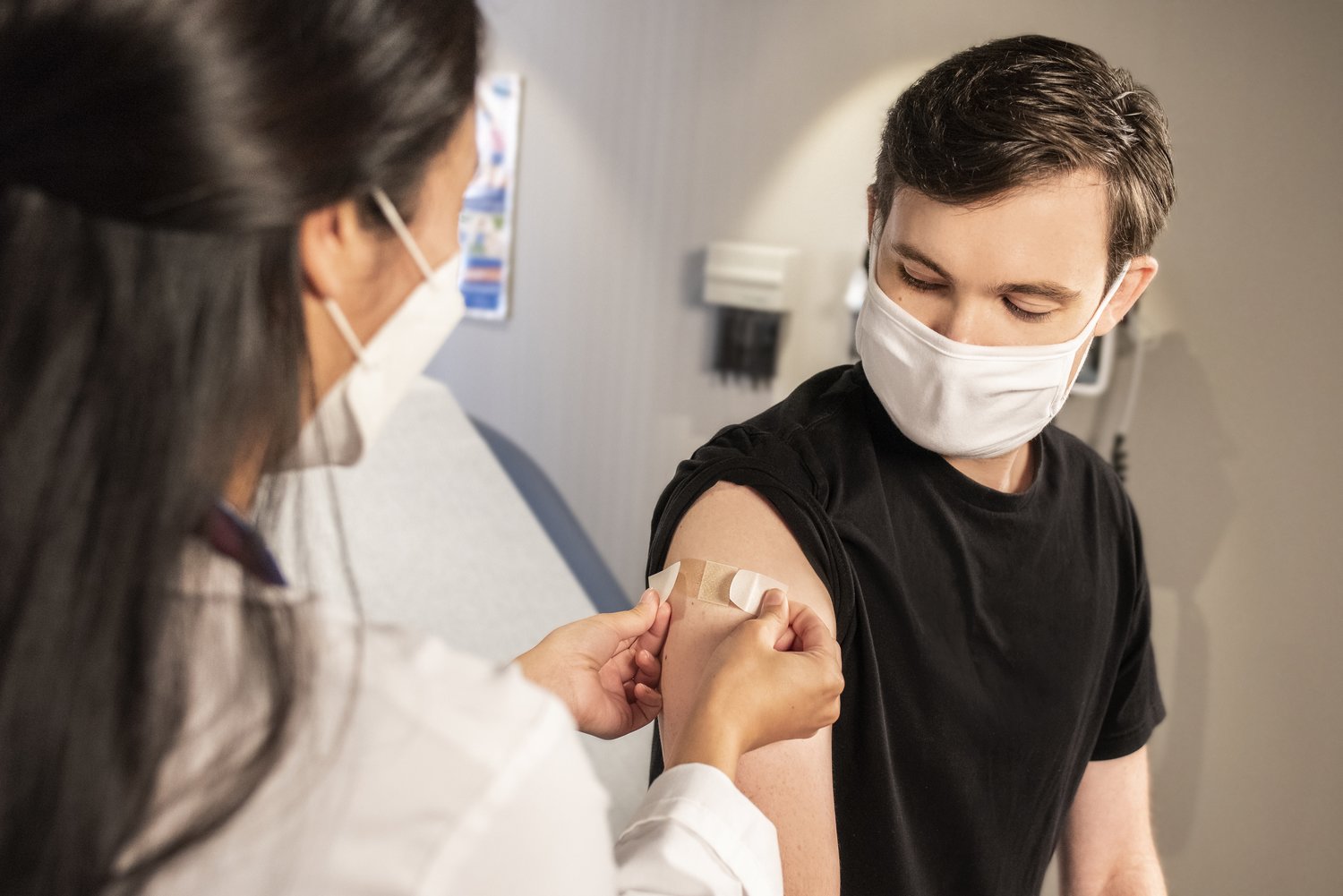
REGION — Flu activity is very high across New York State, including Sullivan and Orange counties. At Garnet Health, we are closely monitoring this flu season as more people are seeking care for respiratory symptoms and flu-related complications.
This flu season started earlier and is spreading faster than usual. Flu cases are already higher than what we normally see at this point in the winter, and experts expect numbers to continue rising in the weeks ahead.
There are several factors contributing to the surge in flu cases:
More indoor gatherings and travel during the winter.
Several respiratory illnesses are spreading at the same time, including flu, COVID-19 and RSV.
Fewer people are getting the flu vaccine compared to past years.
When more viruses are circulating, more people get sick at the same time.
While flu cases are up, the illness itself does not appear more severe than usual. However, when many people are sick at the same time, more people need hospital care. This can lead to longer wait times at urgent-care facilities and in emergency rooms, as well as fewer available hospital beds for those who need to be admitted.
Preventing flu helps protect you, your family and the health care system.
Some people are more likely to have serious problems from the flu, including:
Adults aged 65 and older;
Children under age 5;
Pregnant women;
People with long-term health conditions, such as heart or lung disease, asthma, diabetes, or kidney or liver disease
People with weakened immune systems; and
Residents of nursing homes or long-term-care facilities.
Even healthy adults can get very sick from the flu. Many people have been surprised by how hard the flu has hit them this season.
A new flu strain is circulating this year. While the vaccine may not prevent every case, it still helps lower the risk of severe illness. People who get vaccinated are less likely to have severe symptoms or be hospitalized, and they also often recover faster.
It’s not too late to get your flu shot. Flu can last through March, and protection usually builds within about two weeks after vaccination.
If you have mild flu symptoms, it is usually safe to recover at home. These include:
Fever,
Body aches,
Sore throat,
Cough and
Feeling very tired.
Stay home if you can breathe comfortably, can drink fluids, and stay alert. Resting at home also helps prevent spreading flu to others.
Get medical help right away if you, your loved one or your child has:
Trouble breathing or chest pain;
Confusion or trouble waking up;
Bluish lips or face;
Signs of dehydration, such as very little urine; or
Symptoms that suddenly get worse.
For children, watch for fast or labored breathing, pulling in of the ribs, flaring nostrils, poor feeding or fewer wet diapers.
Simple steps to protect yourself and others
You can help reduce the spread of flu by:
Getting a flu vaccine;
Staying home when you are sick;
Washing your hands frequently;
Covering coughs and sneezes; and
Wearing a mask in crowded indoor spaces, especially if you are at higher risk.
At Garnet Health, we are here to support our communities in Sullivan and Orange counties throughout flu season. Garnet Health Doctors can provide you with your flu shot at any upcoming appointments, including at your visit to our urgent care, primary care or specialty care practices. To schedule a visit, call 845/333-7575.
Jodi Galaydick, M.D., obtained her medical degree from SUNY Upstate, Syracuse, NY, did her residency in internal medicine, completed a fellowship in infectious disease and is trained in critical care. Dr. Galaydick also holds a master’s degree in public health, and works at Garnet Health Medical Center, Middletown and Catskills, as an intensivist.


Comments
No comments on this item Please log in to comment by clicking here