By STAN POPOVICH
Mindfulness is the practice of becoming more fully aware of the present moment rather than dwelling on the past, projecting into the future or dwelling on what’s going on around us.
Mindfulness involves a heightened awareness of sensory stimuli, such as our breathing, or being “in the now.”
Practicing mindfulness involves using breathing methods, guided imagery and other practices to relax the body and mind.
- Find a comfortable place: You’ll want to find a comfortable seat in a relaxed and stress-free environment. Sit on a couch or chair with your feet on the ground. Allow your head and shoulders to rest comfortably; place your hands on the tops of your legs with your upper arms at your side. Put your upper arms parallel to your upper body. Rest the palms of your hands on your legs.
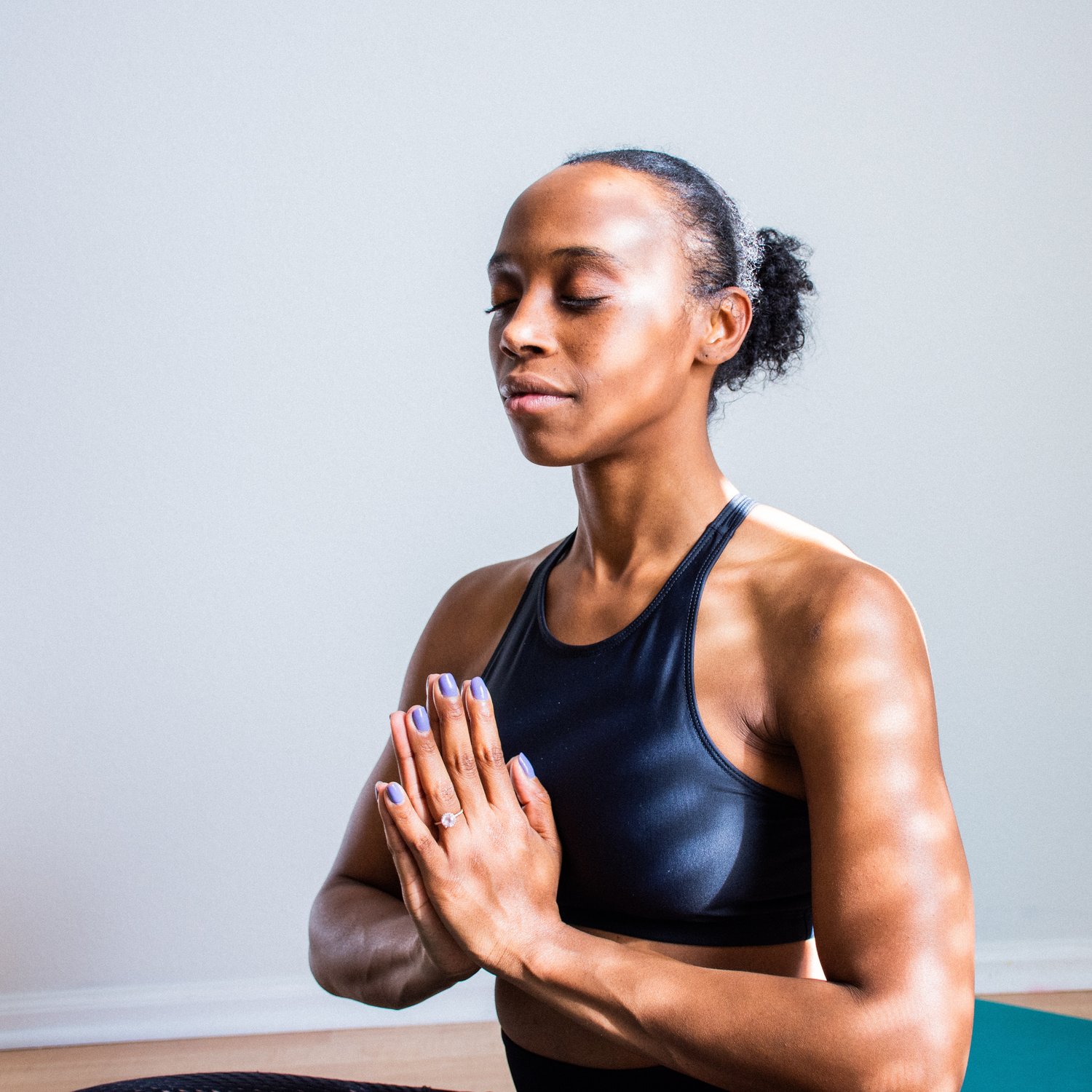
- Focus on your breathing: Close your eyes, take a deep breath and relax. Keep your attention on the sensation of inhalation and exhalation as you breathe. Focus on the air moving through your nose or the rising and falling of your stomach and chest.
- Reduce wandering thoughts: It’s normal to have wandering thoughts or distractions, so don’t judge yourself if you start becoming distracted. Instead of wrestling with your thoughts, let them pass by, without focusing on any thought. Thoughts will try to pull your attention away from your breathing. Notice them, but don’t pass judgment. Gently return your focus to your breath.
- Tune into your senses: Sometimes, when we’re stressed, focusing on what’s happening right in front of us can be a challenge in and of itself. Our minds are drawn to thinking about the future and all the bad things that are or could happen.
- Live in the present: Focus your attention on what’s happening right now, actively engaging with the current moment instead of dwelling on the past or worrying about the future.
- Focus on one thing at a time: Multitasking can leave you feeling distracted, so concentrate on one task with your full attention.
- Pay attention: It’s hard to slow down and notice things in a busy world. Take the time to experience your environment with all your senses, including touch, sound, sight, smell and taste. For example, when you eat a favorite food, take the time to smell, taste and enjoy it.
- Enjoy the small moments: Small moments in our lives include those that we don’t typically notice and those we take for granted. An example of a small moment might be having a cup of coffee or a cool glass of water, spending a moment with a child or pet, or performing any everyday activity that usually goes by without any attention paid to it. Enjoyment, peace and serenity in life happen in the small moments.
- Go outside: Spending time outdoors is a great way to live in the moment and observe the sights, sounds and sensations around you.
Stan Popovich is the author of “A Layman’s Guide to Managing Fear,” which covers 200-plus techniques that can drastically improve your mental health. For more information, visit www.managingfear.com.



Comments
No comments on this item Please log in to comment by clicking here