
Not all vaccines provide lifetime protection. Some vaccines, such as the polio vaccine, can provide very long-lasting protection. Others, such as influenza and COVID-19 vaccines, require periodic …
Stay informed about your community and support local independent journalism.
Subscribe to The River Reporter today. click here
This item is available in full to subscribers.
Please log in to continue |
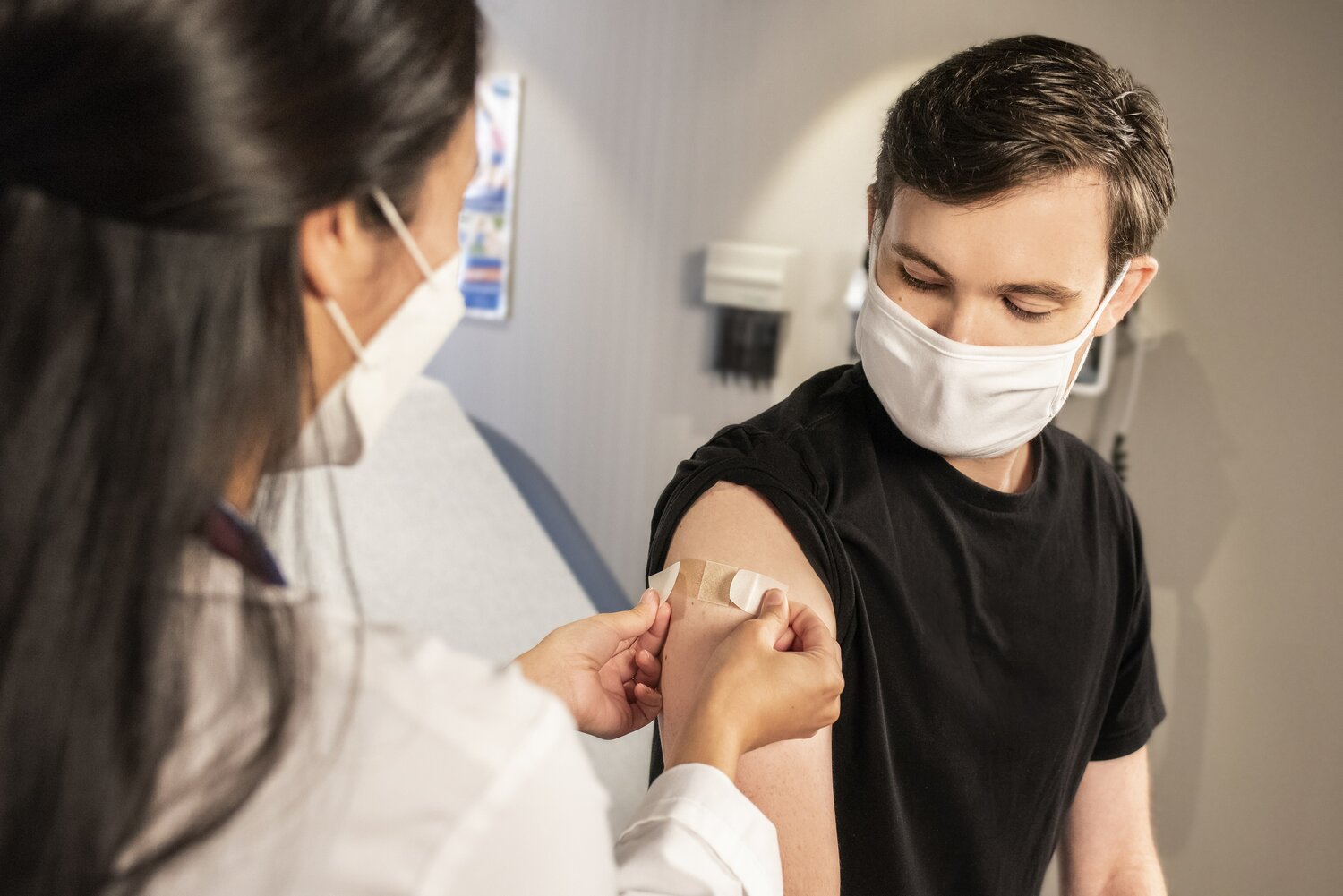
Not all vaccines provide lifetime protection. Some vaccines, such as the polio vaccine, can provide very long-lasting protection. Others, such as influenza and COVID-19 vaccines, require periodic updating because the viruses they protect us against continue to change. COVID-19, like influenza, evolves through mutation, producing new variants and subvariants that can partially evade the immunity provided by earlier infection or vaccination.
Here we go again
COVID-19 has not disappeared. New variants and subvariants continue to emerge, and the protection provided by previous vaccination or infection can diminish over time. That is why COVID vaccination has increasingly become something we need to think about as an ongoing, seasonal form of protection—not a one-and-done event.
And there is reason to pay attention now.
The CDC reported on August 21 that national and regional COVID-19 activity was increasing. At the same time, the FDA has approved updated COVID-19 vaccines for the 2026-2027 season, designed to better match the currently circulating variants.
As of late August 2026, the COVID variant most associated with the current summer increase is XFG.1.1, generally referred to as the “Stratus” variant. NewYork-Presbyterian reports that XFG.1.1 is currently the dominant strain, accounting for roughly 22-39 percent of U.S. cases in recent CDC estimates.
‘But I already had my COVID shots!’
That’s good, but it doesn’t mean you’re permanently protected.
Think of your previous vaccination as providing partial and changing coverage. Your immune system remembers the virus, but immunity can decrease with time, and the virus itself keeps changing. An updated vaccine gives your immune system another opportunity to recognize what it is more likely to encounter now.
We have already learned this lesson with influenza.
Influenza changes. We get an updated flu vaccine.
COVID changes. We should expect updated COVID vaccinations, too.
For older adults, this is particularly important because the risk of serious COVID complications increases with age.
And while you’re getting your COVID shot…
Ask about the rest of your adult immunizations.
Are you protected against:
Influenza?
Pneumococcal disease?
RSV?
Shingles?
Don’t assume that because you received these vaccines years ago, or because you received a COVID vaccine, you are automatically up to date on everything else. Adult vaccination recommendations change with age and individual risk factors.
And here’s one fact many people don’t realize:
Streptococcus pneumoniae is one of the leading causes of bacterial meningitis in the United States. It can also cause pneumonia, bloodstream infections and other serious illnesses. For older adults, prevention isn’t just about avoiding a few days of feeling lousy. It can mean avoiding hospitalization, serious complications, and potentially much worse.
This is really important. One of the most common mistakes people make is waiting until everyone around them is getting sick.
Immunize early.
Your immune system needs time to develop its response after vaccination. Protection does not appear magically the moment you leave the doctor’s office or pharmacy. It generally takes about two weeks or more for meaningful immune protection to develop, depending on the vaccine and the individual.
So don’t wait for the first big wave.
Make the appointment. Get protected.
COVID has changed. Influenza changes. Our approach to protecting ourselves needs to change with them.
And if you’re a senior citizen, don’t think of vaccination as something you did years ago. Think of it as routine maintenance for an aging immune system.
Ask your health care provider:
“Am I up to date on all of the vaccines I should be getting at my age?”
That one question could be one of the smartest questions you ask this year.
Michael Kossove is professor emeritus and an adjunct professor of microbiology at Touro University’s School of Health Sciences. He is a polio researcher, international polio lecturer, a polio survivor and the author of “Polio Post-Polio and the Survivors.” He writes opinion columns for the River Reporter. Kossove can be reached at Professormike2@aol.com.


Comments
No comments on this item Please log in to comment by clicking here