
PIKE COUNTY, PA — The Pike County Commissioners , in partnership with the Pennsylvania Department of Conservation and Natural Resources (DCNR) (Opens in new window) are offering Pike County …
Stay informed about your community and support local independent journalism.
Subscribe to The River Reporter today. click here
This item is available in full to subscribers.
Please log in to continue |
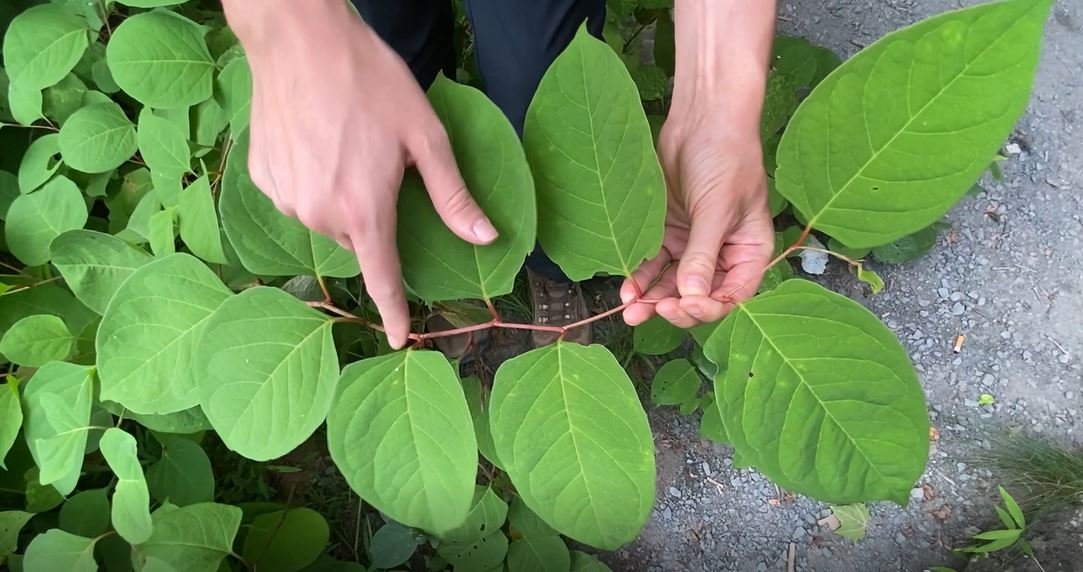
PIKE COUNTY, PA — The Pike County Commissioners, in partnership with the Pennsylvania Department of Conservation and Natural Resources (DCNR)(Opens in new window) are offering Pike County landowners an opportunity to remove invasive plant species from their properties through the new Invasive Species Replacement Program(Opens in new window).
Invasive species, often introduced accidentally, spread fast and can cause significant ecological destruction of native habitats by overtaking vital native pollinator species and other native food sources. To help protect local ecosystems, Pike County will provide free native plants to participating landowners. Funding for this program is provided by a Department of Community and Economic Development (DCED) grant.
The County aims to reduce populations of the following invasives:
The program is offered on a first come, first serve basis, and native plants supplies are limited. Applicants must complete the application to be eligible and provide photo evidence confirming the invasive species has been removed by April 30, 2027. Apply at www.pikepa.org/invasivespecies.
Replacement native plants will be available for pickup at the DCNR District 19 Resource Management Center, 2391 Resica Falls Rd, East Stroudsburg, PA in May 2027.
Invasive Species Removal
To prevent the spread of invasive species during removal, please follow the guidance from DCNR below when disposing of your invasive species.
Mechanical treatments such as mowing, cutting, or digging out invasives are often used as primary treatments to remove the plant material. It is important to collect the cut plant fragments to prevent roots and seeds from washing or blowing into new areas where they may re-sprout.
All plant materials should be bagged and properly disposed of. Composting is not recommended for most invasive plants as seeds may still be able to germinate. Landowners may wish to place the plant material in heavy grade plastic bags and leave them in the sun for several weeks. This will help to kill the seeds. Only then does composting become a viable option.
To learn more about some common invasive species in Pike County, please visit the program website, www.pikepa.org/invasivespecies(Opens in new window). DCNR also offers an overview of the invasive and how it spreads(Opens in new window).


Comments
No comments on this item Please log in to comment by clicking here