
I have to admit I’ve been hard pressed to dig up any positive climate news this summer. In the midst of devastating wildfires, deadly floods and dangerous heat waves, each day seems to bring …
Stay informed about your community and support local independent journalism.
Subscribe to The River Reporter today. click here
This item is available in full to subscribers.
Please log in to continue |
I have to admit I’ve been hard pressed to dig up any positive climate news this summer. In the midst of devastating wildfires, deadly floods and dangerous heat waves, each day seems to bring new reports of our federal government backtracking on greenhouse gas pollution standards, stacking the deck to favor fossil fuels, rolling back programs that help communities and businesses access renewable energy resources, and suppressing the scientific research and data that document climate change and its health impacts.
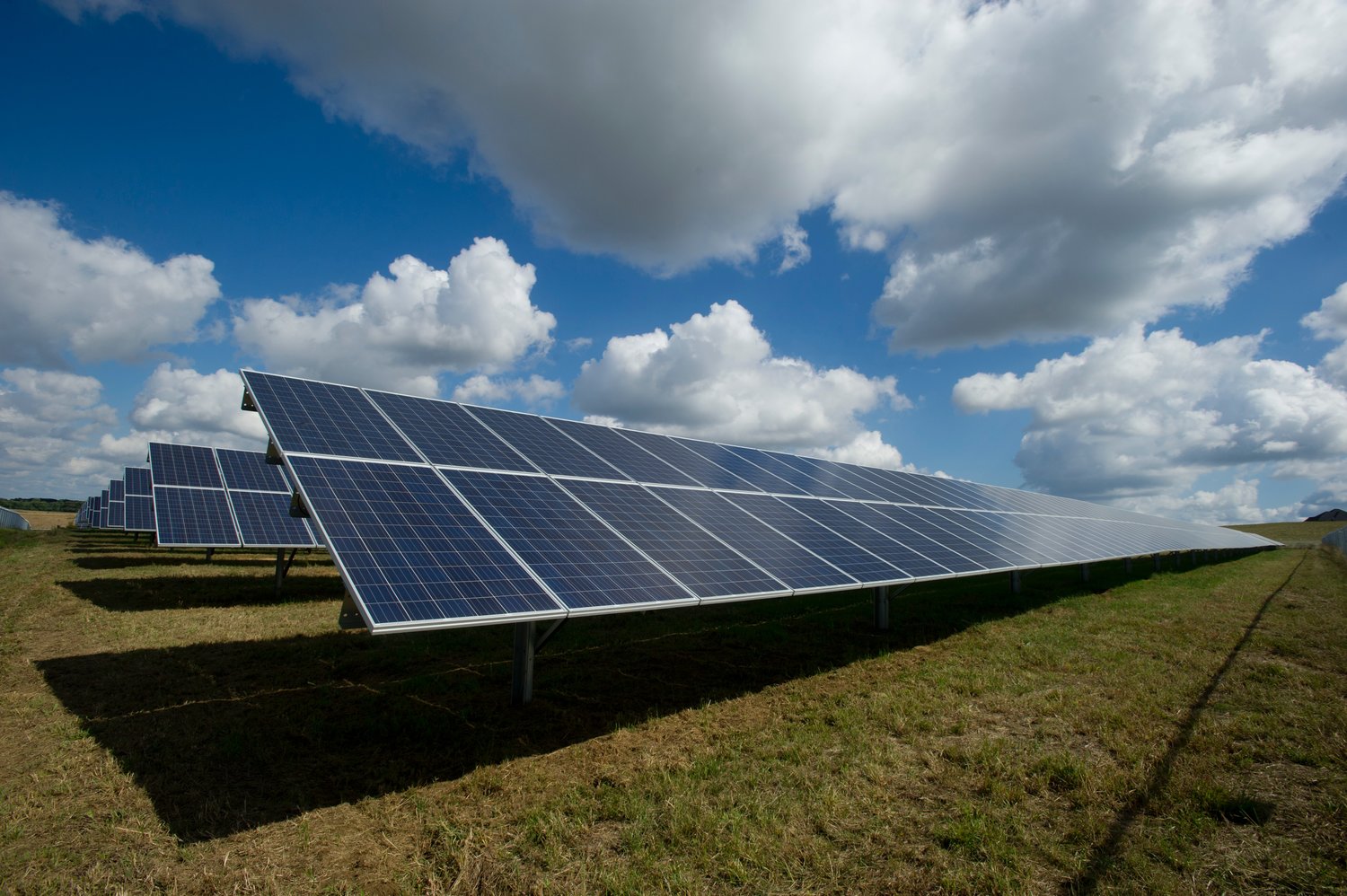
Fortunately, there is good news as well, mostly from our friends in Britain and the European Union nations, where sustained efforts to convert to clean sources of electricity generation are paying off. These gains are documented in the latest forecasts from the International Energy Agency (IEA), and the 2025 report of the International Renewable Energy Agency (IRENA), “Renewable Power Generation Costs in 2024.” Both reports highlight successes in the phase-out of coal-generated electricity and an increase in solar and wind as a share of global electricity production. Ireland has shut down its coal-fired electricity plant, joining 14 other European countries that are coal-free for electricity generation. Another 10 European countries are committed to phasing out coal for electricity generation by 2030, and an additional seven plan to complete their phase-out after 2030.
The nonprofit Beyond Fossil Fuels also reported progress in overall electrification plans: for example, sales of heat pumps in Germany have surpassed sales of gas-fired boilers for the first time, and a number of European sports venues are switching to on-site solar power to meet their electricity needs.
These efforts come in the context of an anticipated surge in demand for electricity across the developed world, which the IEA report attributes largely to industrial needs, the growing need for air conditioning due to rising temperatures and prolonged heat waves around the world, ongoing beneficial electrification of heating and transportation sectors, and the expansion of AI and IT data centers, which require tremendous amounts of electricity.
UN Secretary General António Guterres hailed the news, stating, “The world is on the brink of a breakthrough in the climate fight and fossil fuels are running out of road.” Guterres also pointed out that wind and solar power contribute to geopolitical security while lowering costs for consumers amid a global cost-of-living crisis, while fossil fuels “leave economies and people at the mercy of price shocks, supply disruptions and geopolitical turmoil.”
Those statements echoed the IRENA analysis of global costs for new generation, which states that solar power is about 41 percent cheaper than the lowest-cost fossil fuel alternative, and onshore wind generation is less than half the price of fossil fuels. The report points out that global investment in renewables has increased by 70 percent over the past decade. Last year, it reached $2 trillion, $800 billion more than went into fossil fuels in 2024.
The IEA forecast predicts that renewable energy will overtake coal to become the world’s top source of electricity by 2026. Natural gas will still grow as part of the mix, but the IEA predicts slower growth compared to wind and solar.
Here in the U.S., efforts to change the fate of fossil fuels are a mixed bag. Last week, the administration formally terminated the EPA-run Solar for All program before it even got off the ground, rescinding all 60 grants that had been awarded for rooftop solar projects designed to lower energy bills in low-income communities. But other projects may survive. In June, a federal judge ordered the administration to restore $5 billion in funding for electric vehicle charging stations. And, in spite of an administration that is notoriously hostile to wind power, Dominion Energy has announced that it will complete its 2.6-gigawatt Coastal Virginia Offshore Wind project despite cost hikes related to new tariffs.
When you add the documented health benefits of reduced fossil fuel combustion to lower electricity costs and greater energy security, it’s pretty clear that consumers are the winners when these projects advance. Cautious optimism may not be completely unreasonable.


Comments
No comments on this item Please log in to comment by clicking here