
It’s so easy to grab pre-packaged chopped lettuce in the supermarket. Did you ever notice that the real heads of lettuce are laughing at you?
There’s no work at home. You add your …
Stay informed about your community and support local independent journalism.
Subscribe to The River Reporter today. click here
This item is available in full to subscribers.
Please log in to continue |
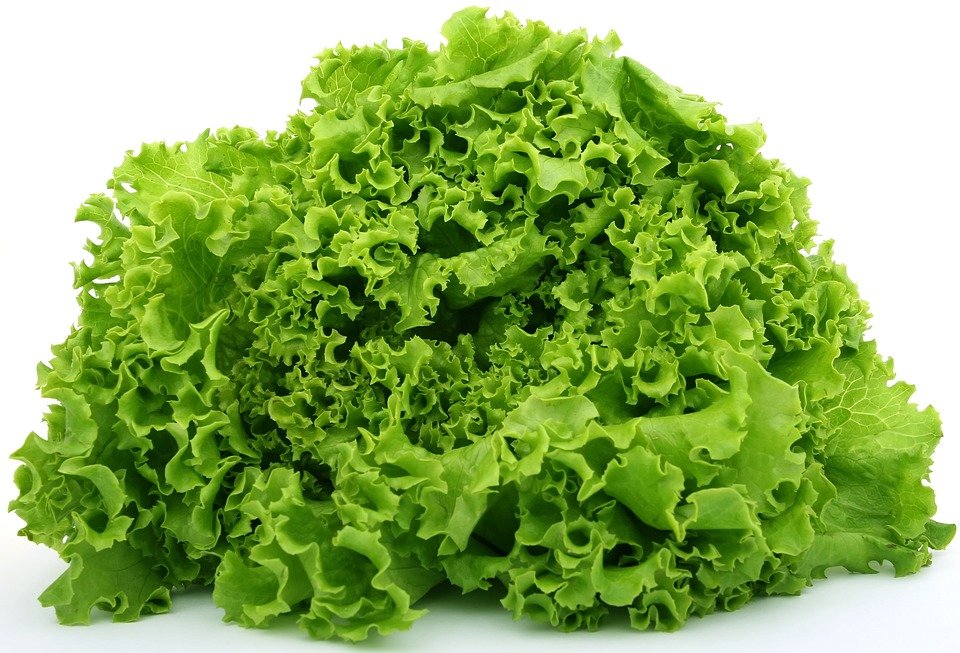
It’s so easy to grab pre-packaged chopped lettuce in the supermarket. Did you ever notice that the real heads of lettuce are laughing at you?
There’s no work at home. You add your other ingredients and your salad is made. Preparing a salad at home from a head of lettuce takes effort. You just came home from work. You’re looking for less work. You’d rather work on the main dish. The salad is insignificant for some. It just goes with the main dish. The faster you eat, the more time you will have to do other things, including sitting in your favorite chair and watching the tube.
Plus, everyone likes to comment on the main dish. Did you ever hear anyone at the dinner table after a sumptuous meal say, “Hey, that was a great salad”?
However, be aware of pre-prepared packaged lettuce.
The consumption of pre-washed and packaged lettuce has surged due to increasing demand for convenience and healthy eating. These salad greens are often marketed as a nutritious, time-saving alternative to preparing fresh vegetables.
However, beneath the surface of this perceived health trend lies a range of potential health risks and environmental concerns that consumers might not be fully aware of. From bacterial contamination and chemical exposure to environmental degradation and misleading labeling, packaged lettuce from the supermarket carries several dangers. This essay explores the primary health and environmental risks associated with packaged lettuce and discusses how consumers can make safer and more sustainable choices.
Now, do I have your attention?
One of the most serious and well-documented dangers associated with packaged lettuce is its susceptibility to bacterial contamination. The Centers for Disease Control and Prevention (CDC) and the U.S. Food and Drug Administration (FDA) have issued numerous warnings and recalls over the years due to outbreaks of E. coli, salmonella and listeria infections linked to leafy greens, especially those sold in pre-packaged, ready-to-eat forms.
E. coli O157:H7 is a particularly dangerous strain of bacteria that has been linked to multiple outbreaks traced back to packaged romaine and mixed lettuce. These bacteria can cause severe gastrointestinal illness, kidney failure and even death in vulnerable populations such as the elderly, children and those with weakened immune systems. Contamination often occurs at the source—farms—via contact with animal feces or contaminated irrigation water, or from poor hygiene practices during harvesting and processing.
Many packaged lettuce products are labeled as “triple-washed” or “ready to eat,” which could create a false sense of security. Washing, even multiple times, does not eliminate all pathogens. If contamination is present internally in the plant tissue or the bacteria have formed biofilms, washing will have little effect. Sealed lettuce bags can promote bacterial growth, particularly if refrigeration is inadequate during transport or storage.
Packaged lettuce can often carry the residue of synthetic chemicals used during cultivation and processing. Though washing helps reduce surface residues, it does not eliminate systemic pesticides that are absorbed into the plant tissues.
Conventional lettuce farming often involves the heavy use of pesticides, herbicides and fungicides to ensure fast growth and protect crops from pests and diseases. Lettuce is particularly susceptible to pest attacks, which lead to a higher frequency of chemical application. These residues can pose long-term health risks to consumers, especially when consumed regularly. According to the Environmental Working Group (EWG), lettuce often appears on lists of fruits and vegetables with high pesticide residues.
To extend shelf life and preserve freshness, many packaged lettuce products are treated with preservatives or stored in modified-atmosphere packaging (MAP), in which oxygen is replaced with nitrogen or carbon dioxide. While generally recognized as safe, the long-term health implications of consuming trace amounts of these gases and preservatives are not fully understood. More concerning is that MAP can prevent lettuce from showing signs of spoilage, leading consumers to unknowingly eat deteriorated greens.
The environmental cost of pre-packaged lettuce is significant. Plastic packaging, used to seal in freshness and facilitate transport, contributes to global plastic pollution, which has become a major ecological crisis.
The majority of packaged lettuce comes in non-recyclable or difficult-to-recycle plastic bags and containers. Once discarded, these materials often end up in landfills or oceans, where they take hundreds of years to decompose. Plastic waste contributes to the death of marine life, microplastic contamination of food chains, and degradation of natural ecosystems.
Another often-ignored drawback of packaged lettuce is the degradation of nutritional quality during processing and storage. While lettuce is not the most nutritious vegetable, it does contain valuable vitamins such as vitamin A, vitamin K and folate. However, these nutrients are sensitive to light, oxygen and temperature fluctuations.
Once lettuce is cut, washed and packaged, its cellular integrity begins to break down. Exposure to light and air accelerates the loss of water-soluble vitamins. Pre-washed lettuce stored in sealed plastic may look fresh due to refrigeration and gas flushing, but its nutritional value can be significantly diminished compared to freshly harvested, whole-leaf lettuce.
Packaged lettuce has a short shelf life, and spoilage can begin well before the “best by” date, especially if storage conditions are suboptimal. Slimy textures, off odors and discoloration are signs of spoilage, yet consumers could miss these indicators because some of the bags are opaque. Consuming spoiled lettuce can result in digestive discomfort or mild food poisoning.
The label “organic” does not guarantee that the product is free from all contaminants. While organic produce is grown without synthetic pesticides or fertilizers, it is still susceptible to bacterial contamination and might be processed in the same facilities as conventional produce. Similarly, the term “natural” is unregulated and often used for marketing rather than reflecting any real difference in production or safety.
Some brands claim to offer “locally grown” lettuce, but the definition of “local” can vary widely. In some regions, produce grown hundreds of miles away is still marketed as local. Without transparency in sourcing, consumers cannot verify the environmental or safety standards of the product.
You’re paying a premium for pre-washed lettuce, often two to three times more per pound compared to bulk greens. When factoring in spoilage rates and the shorter shelf life, the economic value becomes even more questionable. Over time, families that rely heavily on packaged salads may spend considerably more on groceries without a corresponding increase in nutrition or safety.
Washing and drying lettuce at home may take a few extra minutes, but it ensures greater control over cleanliness and freshness. With modern salad spinners and food prep tools, the time investment is minimal—and the reward in safety and flavor can be substantial.
Purchasing whole heads of lettuce, whether romaine, butterhead or green leaf, is safer and often cheaper. These greens are less handled during harvesting and processing, reducing the chances of getting sick. Washing them at home, preferably with cold water and a small amount of vinegar or baking soda, can help remove dirt and surface residues.
Buying directly from farmers at your local farmers’ market can offer fresher produce. Many local farms use fewer chemicals and follow safer harvesting practices.
Got the message?
Michael Kossove is professor emeritus and adjunct professor of microbiology, Touro University, School of Health Sciences.


Comments
No comments on this item Please log in to comment by clicking here